06- Manage your stress levels
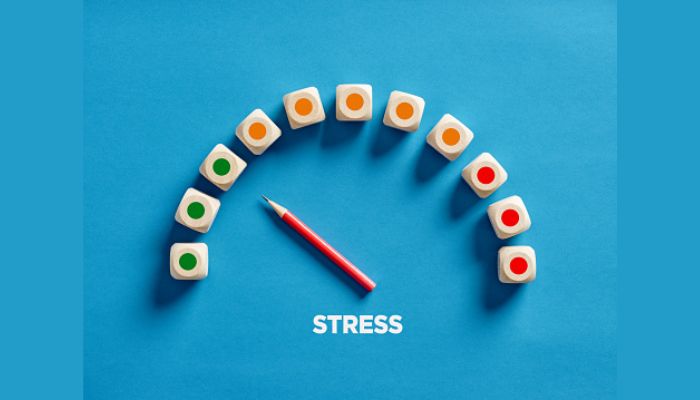
It’s probable that you’re experiencing stress-induced exhaustion if you feel exhausted despite getting enough sleep. Stress is a major energy drain, and studies have revealed a connection between it and fatigue symptoms, which affects physical performance and function.
[adinserter block=”2″]
This is due to the fact that stress stimulates your neurological system, causing the production of stress chemicals like cortisol in your bloodstream. All of the physical signs of stress that we commonly experience, such as tightness, a rapid heartbeat, and a fast pulse, are brought on by these chemicals. This reaction happens to have us ready to react in a harmful circumstance, but it can also be triggered by things that aren’t placing us in immediate danger, including work or relationship worries.
Exercise has been shown to release the feel-good hormone serotonin, and managing stress levels by eating a balanced diet, getting enough sleep, and avoiding alcohol, tobacco, and caffeine can help to restore balance.
Knowing when to say no is crucial since stress can be brought on by taking on too much or failing to take care of oneself sufficiently. Try some deep breathing exercises to help you relax if you find yourself worried about things that are beyond your control. You may also direct your attention more actively by focusing on the things you can influence.
[adinserter block=”2″]
Continue Reading This Article