

Other Potential Signs and Symptoms

While the above eight symptoms serve as the primary red flags, additional hints could also signal an underlying cancer:
- Fever of Unknown Origin: Persistent fevers without infection could indicate certain blood cancers.
- Difficulty Swallowing (Dysphagia): Can be tied to esophageal or throat cancers.
- Bloating and Abdominal Distention: Ovarian cancer or gastrointestinal malignancies may present with ongoing bloating.
- Mouth Changes: White or red patches in the mouth, non-healing ulcers, or lumps might point to oral cancers.
- Neurological Issues: Severe headaches, seizures, or persistent numbness might indicate brain tumors.
Screening and Early Detection: A Lifesaving Strategy

Common Screening Tests
- Mammograms: For early detection of breast cancer.
- Pap Smears and HPV Testing: Screens cervical health in women.
- Colonoscopies: Identifies precancerous polyps in the colon.
- Low-Dose CT Scans: Recommended for heavy smokers to catch lung cancer early.
- PSA (Prostate-Specific Antigen) Tests: Indicative but not definitive for prostate cancer.
The Value of Regular Check-Ups
Routine annual or semi-annual physical exams help catch subtle changes in health. During these visits, discussing family history, lifestyle habits, and any new or persistent symptoms can guide appropriate screening measures.
High-Risk Groups
Individuals with genetic predispositions (e.g., BRCA mutations for breast cancer) or those exposed to carcinogens (like asbestos, which is a common cause of mesothelioma) may require more frequent or specialized screening protocols.
Cancer Treatment: Common Approaches and Innovations
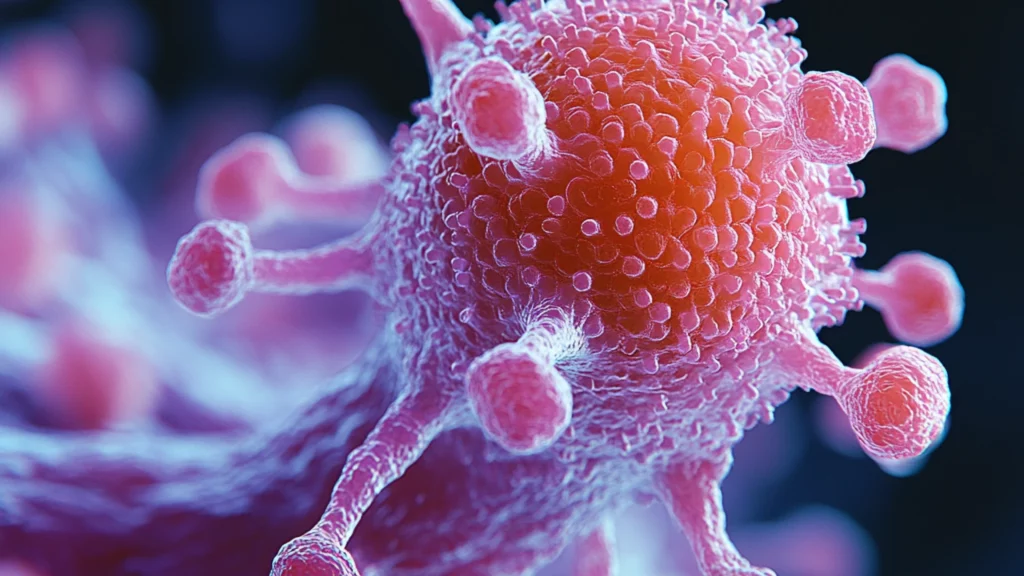
Standard Treatment Modalities
- Surgery: Physically removing tumors when they’re localized.
- Chemotherapy: Using drugs to kill or slow the growth of cancer cells.
- Radiation Therapy: Targeted radiation to shrink or destroy cancer cells in a specific area.
- Hormone Therapy: For cancers like breast and prostate, which are hormone-sensitive.
- Immunotherapy: Boosting the body’s own immune system to fight cancer cells.
Emerging Treatments and Personalized Medicine
- Targeted Therapies: Drugs that target specific genetic features of cancer cells.
- Gene Therapy: Experimental techniques aiming to modify genetic defects causing cancer.
- CAR T-Cell Therapy: A form of immunotherapy re-engineering a patient’s T-cells to better recognize and attack cancer.
Staying updated on emerging treatments is crucial—medical advances can offer new hope, especially when detected early. Additionally, having robust cancer insurance or well-planned life insurance can mitigate financial strain during these treatments.
Financial and Legal Considerations: Life Insurance and More

A cancer diagnosis can affect multiple facets of life beyond the immediate health implications—most notably finances and legal matters. Early planning and awareness are paramount.
Life Insurance Options for Cancer Patients and Survivors
Many people question whether they can obtain life insurance if they’re currently undergoing cancer treatment or if they have a history of cancer.
- Life Insurance for Cancer Patients
- Traditional life insurance policies can be challenging to secure immediately after a cancer diagnosis. Insurance companies assess risk based on overall health, type of cancer, and prognosis.
- However, some no medical exam life insurance plans exist, providing coverage without an in-depth health evaluation. These policies might have higher premiums or lower coverage limits, but they can be a viable option for those in active treatment or with advanced cancer.
- Life Insurance for Cancer Survivors
- Term life insurance after cancer can be more accessible once a person is in remission and has a favorable prognosis. Insurers often require a waiting period—sometimes 1 to 5 years post-treatment—before offering standard rates.
- A stable remission period demonstrates lowered risk, increasing the likelihood of obtaining traditional policies such as term life insurance or whole life insurance.
- Underwriting Factors
- Type and Stage of Cancer: Early-stage cancers with high survival rates could result in more favorable terms.
- Time Since Remission: The longer the remission, the better the chances of securing standard or near-standard rates.
- Overall Health: Comorbid conditions (e.g., diabetes, high blood pressure) can affect premiums.
Finding the Best Life Insurance Companies and Getting Quotes
- Research: Look for the best life insurance companies that have experience underwriting policies for cancer survivors.
- Compare Policies: Gather multiple life insurance quotes. Different insurers apply varied underwriting criteria, leading to differing premium rates.
- Policy Types:
- Term Life Insurance: Typically has lower premiums for higher coverage but expires after a set period (e.g., 10, 20, or 30 years).
- Whole Life Insurance: Offers lifetime coverage with a cash value component but generally higher premiums.
- Cancer Insurance Quotes
- Besides traditional life insurance, specialized cancer insurance policies exist. These can help cover specific expenses related to cancer treatment, such as hospital stays, radiation therapy, or chemotherapy costs.
- Getting cancer insurance quotes and comparing coverage details can help you decide if a standalone cancer policy is right for you.
- No Medical Exam Life Insurance
- This option often appeals to individuals who may not qualify for traditional policies due to health concerns.
- While more accessible, these policies usually come with higher premiums and coverage caps. Ensure the terms are transparent before committing.
Mesothelioma Lawyer and Lawsuits: Understanding Your Legal Options
Mesothelioma is a rare but aggressive cancer primarily linked to asbestos exposure. It often affects the lining of the lungs (pleural mesothelioma), but it can also impact the abdomen or even the heart. Because asbestos exposure commonly happens in industrial settings or older buildings, legal recourse is sometimes available:
- Mesothelioma Lawyer:
- Specialized attorneys handle cases involving asbestos exposure, helping victims seek compensation for medical bills, lost wages, and suffering.
- They can guide you through filing claims, identifying liable companies, and gathering essential evidence.
- Mesothelioma Lawsuit:
- Victims or their families may file a mesothelioma lawsuit against negligent companies that failed to provide adequate protection against asbestos.
- Compensation from such lawsuits can cover treatments, end-of-life care, and provide financial stability for loved ones.
- Settlement vs. Trial:
- Many mesothelioma lawsuits settle out of court. A specialized lawyer can negotiate on your behalf, aiming for a fair settlement without a lengthy trial.
If you suspect you’ve been exposed to asbestos in the past—especially if you’ve received a mesothelioma diagnosis—consulting both a medical professional and a mesothelioma lawyer can be crucial for both health and legal guidance.
Lifestyle Factors to Reduce Cancer Risk
Preventive measures, while not foolproof, can significantly lessen the chances of developing cancer:
- Healthy Diet:
- Focus on whole foods like fruits, vegetables, lean proteins, and whole grains.
- Limit processed foods, red meats, and sugary beverages.
- Regular Exercise:
- Aim for at least 150 minutes per week of moderate-intensity activity (e.g., brisk walking, cycling).
- Physical activity helps maintain healthy body weight, reducing cancer risks associated with obesity.
- Tobacco Avoidance:
- Smoking is heavily linked to lung, oral, and other cancers. Quit smoking as soon as possible, and avoid secondhand smoke.
- Smoking is heavily linked to lung, oral, and other cancers. Quit smoking as soon as possible, and avoid secondhand smoke.
- Moderate Alcohol Consumption:
- Chronic, heavy drinking elevates the risk of liver, breast, and colorectal cancers.
- Stick to recommended guidelines or consider abstaining entirely.
- Sun Protection:
- UV radiation is a primary cause of skin cancers. Use sunscreen (SPF 30 or higher), wear protective clothing, and limit time in direct sun.
- UV radiation is a primary cause of skin cancers. Use sunscreen (SPF 30 or higher), wear protective clothing, and limit time in direct sun.
- Vaccinations and Safe Practices:
- HPV (Human Papillomavirus) vaccine helps prevent cervical and other HPV-related cancers.
- Hepatitis B vaccine offers protection against liver cancer.
- Safe sex practices reduce the risk of sexually transmitted infections linked to certain cancers.
- Manage Stress and Sleep:
- High stress and poor sleep quality can weaken immune function, indirectly affecting overall health.
- Techniques like meditation, counseling, and good sleep hygiene can be protective factors.
When to Consult a Doctor
Not every lump, bout of fatigue, or fleeting episode of bleeding signifies cancer. However, a rule of thumb is: if any concerning symptom persists beyond two to three weeks—or if it escalates—seek a medical professional’s opinion:
- Chronic Symptoms: Pain, fatigue, or cough lingering for weeks.
- Severe or Sudden Changes: Rapid weight loss, bleeding, or lumps that appear abruptly.
- Multiple Symptoms: When red flags appear in combination, such as unexplained weight loss and persistent fever.
A thorough examination might include physical assessments, blood tests, imaging (MRI, CT, ultrasound), and specific diagnostic procedures (endoscopies, biopsies). Early intervention can lead to earlier diagnoses and typically more favorable outcomes.
Common Myths Surrounding Cancer Symptoms
- Myth: Cancer always presents with extreme pain in early stages.
- Reality: Many early-stage cancers are asymptomatic or only mildly discomforting. Annual or regular screenings remain crucial.
- Myth: If you feel healthy, you cannot have cancer.
- Reality: Several cancers, like colorectal or prostate, can be silent until advanced stages. Relying on how you feel alone is risky.
- Myth: Only heavy smokers get lung cancer.
- Reality: Smoking is a major risk factor, but non-smokers can develop lung cancer due to radon, air pollution, or genetic predispositions.
- Myth: All lumps are cancerous.
- Reality: Many lumps turn out to be benign cysts or fatty tissue (lipomas). Still, it’s essential to get lumps evaluated.
- Myth: If a biopsy is negative, it rules out cancer for life.
- Reality: A negative biopsy only reflects the state of that specific tissue sample at that time. Ongoing vigilance remains necessary.
Conclusion: Empowerment Through Knowledge and Action
Being proactive about your health is one of the best defenses against cancer. By recognizing symptoms like unexplained weight loss, persistent fatigue, chronic pain, skin changes, or lumps, you equip yourself to seek timely medical guidance. Coupled with regular screenings—like mammograms, Pap smears, colonoscopies, and lung scans—you significantly boost the chances of catching cancer in its early, more treatable phases.
Moreover, understanding your financial and legal options—such as securing life insurance (“Life insurance for cancer patients,” “Life insurance for cancer survivors,” or “Term life insurance after cancer”), comparing cancer insurance quotes, consulting a mesothelioma lawyer for potential mesothelioma lawsuits, or ensuring you’re enrolled in no medical exam life insurance if standard policies aren’t an option—can help provide peace of mind. While facing a cancer diagnosis is understandably daunting, there are avenues to safeguard both your health and finances.
Finally, adopting and maintaining a healthy lifestyle—moderate exercise, a nutritious diet, tobacco avoidance, sensible alcohol use, and proactive sun protection—collectively bolsters your defenses against cancer. Whether you’re a patient, survivor, or someone with a family history of cancer, knowledge and prevention strategies truly serve as powerful tools. Remember, it’s always better to consult a healthcare professional if any concern arises. Early detection saves lives, and being well-informed makes you a strong advocate for your own well-being.
Disclaimer
This article provides general information and should not substitute personalized medical advice, diagnosis, or treatment. Always seek professional healthcare guidance if you experience any worrying symptom or if you have questions regarding a cancer diagnosis, cancer treatment, or potential legal and insurance matters. Every individual’s medical and financial situation is unique, warranting consultation with qualified professionals—doctors, legal experts, and insurance specialists—for tailored advice. If you have a cancer concern or want more information about life insurance options, cancer insurance, or mesothelioma legal proceedings, please consult a trusted professional who can assess your specific needs.





















Noted
What’s all this about
Life insurance ,??